Source Underground Conductive Primary Pipes for Cable Protection
Find 26 listings for underground conductive primary pipes designed for wire and cable protection. Compare PVC and stainless steel options with varying diameters, wall thicknesses, and certifications to identify suitable suppliers for your infrastructure projects; compare the available evidence and request quotations based on your requirements.
Key considerations
Products List


Comprehensive Sourcing Guide
Underground Conductive Primary Pipes Sourcing Guide
Procuring underground conductive primary pipes requires distinguishing between rigid thermoplastic conduits and flexible corrugated options based on specific installation environments. The available market data indicates a strong presence of PVC-based products designed for threading and wire protection, alongside stainless steel and carbon steel variants featuring baking paint or PVC coatings. Buyers must carefully evaluate whether the project demands the structural rigidity of a hard tube or the flexibility of a corrugated conduit for complex underground routing.
Selection criteria should heavily weigh the intended application, such as direct burial or cable protection in varying soil conditions. While some listings highlight high-quality PVC materials with UV resistance, others specify carbon steel or stainless steel for enhanced durability. It is critical to verify that the chosen pipe material aligns with the specific mechanical stresses of the underground environment, ensuring the product can withstand soil pressure and potential chemical exposure without compromising the integrity of the conductive lines inside.
Product Scope and Observed Listing Signals
The observed product range spans from small-diameter flexible conduits to larger rigid pipes, with outer diameters reported between 8.2mm and 164.5mm. Listings frequently describe these items as round, hollow tubes available in standard sizes ranging from 1/2 inch to 8 inches, or metric equivalents like 16-32mm. Buyers should note that while some products are offered as non-customized standard items, others explicitly support customization for wall thickness and specific dimensions to fit unique infrastructure requirements.
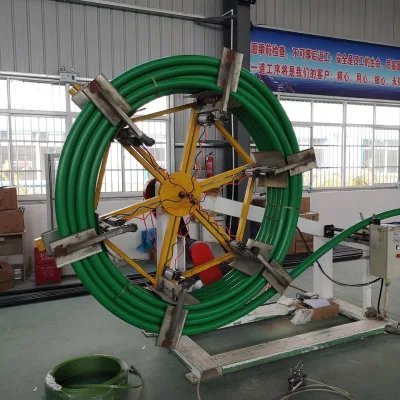
Packaging and transport methods vary significantly across suppliers, with options including plastic bags, cartons, wooden boxes, and bundling. Logistics capabilities often extend to sea, air, rail, and courier services like FedEx or DHL, which influences the final delivery timeline and cost structure. Procurement teams must confirm that the packaging method protects the pipe from damage during transit, especially for long lengths that can range from 10 meters up to 200 meters depending on the diameter.
Technical Specifications to Verify
Technical verification must begin with the material composition, as the market offers distinct options including PVC, stainless steel, and carbon steel. For underground applications, the working temperature range of -10℃ to +80℃ is a critical parameter to confirm, ensuring the pipe maintains its structural integrity under thermal fluctuations. Additionally, the hardness classification, such as hard tube versus flexible conduit, dictates the installation method and the type of tools required for cutting and joining the pipes on-site.
Surface treatment and coating are equally vital for corrosion resistance in buried environments. Buyers should verify if the product features a PVC coating, baking paint, or specific IP ratings like IPMaterial:PVC or IPMaterial:Carbon Steel to ensure adequate protection against moisture and soil chemicals. The flame retardant rating, specifically V0 Fire Rating, and impact resistance capabilities must be validated to guarantee safety compliance and long-term performance under physical stress.
Compliance and Safety Documentation
Regulatory compliance is non-negotiable for underground electrical infrastructure, requiring verification of standards such as UL651, CE, and ISO certifications. The presence of ISO9001 certification indicates a supplier's commitment to quality management systems, which is essential for maintaining consistent product performance across large orders. Buyers must request specific test reports that confirm the pipe meets the relevant national or international standards for electrical conduits used in underground settings.
Safety documentation should also address the fire safety characteristics of the material, particularly the V0 fire rating mentioned in several listings. This rating ensures that the conduit will not propagate flames, a crucial safety feature for protecting high-voltage conductive lines. Procurement teams must ensure that all supplied documentation explicitly links the product to these safety standards, avoiding reliance on generic claims without supporting test data or third-party verification.
Cost Drivers and Commercial Terms
Cost structures for underground conductive pipes are heavily influenced by material selection, with stainless steel and carbon steel typically commanding higher prices than PVC alternatives. The observed price range of 0.1 to 1500 USD reflects the vast difference between small, flexible components and large, heavy-duty rigid pipes. Buyers should analyze the total cost of ownership, considering that higher initial material costs for steel may be offset by longer service life and reduced maintenance requirements in aggressive underground environments.
Commercial terms such as Minimum Order Quantity (MOQ) and lead times vary widely, with observed MOQs ranging from 1 to 10,000 units. Suppliers often offer flexible lead times based on the specific model and customization requirements, with some products available in lengths up to 200 meters. It is essential to negotiate clear terms regarding payment schedules, shipping responsibilities, and warranty periods, as some listings claim warranties up to 50 years, which requires rigorous validation of the supplier's financial stability and product guarantees.
Supplier Qualification and Quality Control
Supplier qualification should focus on verifying the physical presence of manufacturing facilities, such as the documented factories in Dongguan and Lechang, China. These locations suggest a concentrated industrial base for conduit production, but buyers must confirm that the specific factory assigned to their order has the capacity to meet quality standards and delivery schedules. Direct engagement with the manufacturing site allows for better oversight of the production process and ensures that the claimed specifications are met during fabrication.
Quality control protocols must be established to verify the consistency of product attributes like wall thickness, outer diameter, and surface coating. Since some listings indicate that wall thickness can be customized, a robust inspection plan is necessary to ensure that custom orders match the agreed-upon technical drawings. Regular third-party inspections or on-site audits can help mitigate risks associated with material defects, ensuring that the delivered pipes meet the rigorous demands of underground electrical installations.
Long-Term Procurement Checks
Long-term procurement success depends on monitoring the durability and performance of the installed pipes over time. Buyers should track the actual service life of the conduits against the claimed 50-year warranty, noting any signs of degradation, cracking, or corrosion that might indicate a mismatch between the product and the specific soil conditions. Continuous feedback loops with the supplier are essential to address any performance issues and to refine future specifications based on real-world operational data.
Supply chain resilience is another critical factor, requiring the identification of backup suppliers and the verification of their ability to maintain consistent quality. Given the reliance on specific standards like UL651 and ISO, it is vital to ensure that alternative suppliers can provide equivalent documentation and product performance. Establishing a long-term partnership with qualified manufacturers ensures a steady supply of reliable underground conductive pipes, minimizing the risk of project delays due to material shortages or quality failures.
FAQs
What materials are used for underground conductive primary pipes?
These pipes are primarily made from PVC or stainless steel to ensure durability. Some variants feature a PVC coating over carbon steel for enhanced protection. The material choice depends on specific application needs like threading or wire protection in underground environments.
Can these pipes be customized for specific project requirements?
Yes, customization is available for certain product lines to meet unique project needs. However, some specific models are listed as non-customized. Buyers should verify the customization status for each specific model number before placing an order to ensure compatibility.
Which certifications do these underground pipes typically hold?
Many products carry ISO9001 certification to ensure quality management standards are met. Some items also comply with CE, ISO, and UL651 standards. These certifications verify that the pipes meet international safety and performance requirements for electrical conduit applications.
How long is the warranty period for these conduit pipes?
The warranty period for these pipes is listed as 50 years in some product specifications. This long duration indicates high durability and resistance to environmental factors. Buyers should confirm the specific warranty terms applicable to the selected model and supplier.
What is the working temperature range for these pipes?
The working temperature range for these pipes is typically between -10 degrees Celsius and +80 degrees Celsius. This range ensures functionality in various climates while protecting wires and cables. It is suitable for underground installations where temperature fluctuations occur.
Which packaging options are available for shipping these pipes?
Packaging options include plastic bags, cartons, wooden boxes, and bundling depending on the product type. The specific packaging is selected to ensure safe transport via sea, air, rail, or courier services. Buyers can request specific packaging based on their logistics requirements.
Can these pipes be used for wire and cable protection?
Yes, these pipes are explicitly designed for wire and cable protection in underground applications. They serve as threading pipes and conduits to safeguard electrical installations. The design ensures high quality and impact resistance for long-term protection of critical wiring systems.